In this edition, a feature article by Chris Saunders on biocontrol for Canada thistle. Improved website functionality with iNaturalist links and training for site inspections are discussed. A courtesy copy may also be downloaded.
- Editorial – Getting Back in the Field and a Busy SAPAA
- Feature Article: Fungal Pathogens and Biological Control
- (White) Sprucing Up Citizen Science
- SAPAA 2.0: A Six Month Report Card
- Website Update: iNaturalist Links
- SAPAA Site Inspection Training
- Spring in the Sandhills
- Botany Alberta in the Beaver Hills Biosphere, June 13-15, 2025
- Membership
- Editorial Team, Links and Resources at a Glance:
Editorial – Getting Back in the Field and a Busy SAPAA
by Patsy Cotterill
Spring is under way at last and for fair-weather explorers now is the greatest time to visit Alberta’s Protected Areas and submit some of SAPAA’s Site Inspection Forms we’ve been honing for the last year or so.
Meanwhile, board members have embarked on various initiatives. David has been working on a safety manual and waiver form ready for field trips, as well as an online system of cataloguing our hundreds of photos for easy retrieval. Myrna has been investigating our insurance coverage, and Frank and Tony have been beavering away at inserting iNaturalist capability into our Natural Area pages. Hubert and Patsy are checking to ensure that these pages on the website are up-to-date. This issue will provide more information on these projects.
As well, we feature an article by guest columnist Chris Saunders which will be of interest to stewards undertaking land management and indeed anyone who’s scientifically inclined.
Chris describes research on the biological control of Canada thistle, the ubiquitous and invasive introduced weed that is the bane of stewards and others attempting to maintain natural ecosystems. Chris’s local work in biocontrol could inspire some interesting citizen science projects. His article also provides an amazing insight into the complex interrelationships that exist among living organisms.
As always, we invite photos, comments and contributions from our members/ readers.
Feature Article: Fungal Pathogens and Biological Control
Canada thistle is one of the most problematic weeds of crops, pastures, range lands, natural areas and riparian habitats throughout North America. Canada thistle rust fungus, also known as thistle rust, is a fungal pathogen that only infects Canada thistle (CT).
Both the thistle and the thistle rust were introduced to North America as settlers began arriving from Europe more than 400 years ago. Today, both species have naturalized throughout most of the USA and all Canadian provinces.
Can a fungus help to control this problem plant species? Chris Saunders provides an excellent article on the state of such efforts. Read the full article or download it.
Local Land Managers/Stewards: Applying Lessons Learned
Chris has provided the following further information which will be of interest to local land managers/stewards planning biocontrol Canada thistle on their lands.
He recommends the following steps:
- (1) pick a disease-free Canada thistle infestation.
- It is important to apply the inoculum spray you have concocted or obtained to the rosettes, this being the shortest route to the rhizome and the fungal spores being less likely to encounter bacterial antagonism on the way.
- Mid-September is considered the best time to spray, so Chris recommends
- (2) mowing the thistle patch four to six weeks before spraying, so that thistle rosettes will have had time to form, or better still, stimulating rosette formation by hand pulling the shoots so you can get an estimate of stem density prior to inoculation.
- (3) Spraying is best done an hour before sunset when the thistle’s vulnerability to microorganisms is greatest with a fall in temperature from an early evening temperature of ca. 18 C, and humidity is increasing overnight.
Volunteers can readily detect an infection by the presence of the yellow teliospores on the undersides of the leaves. However, lack of this sign of disease on the leaves may not mean that the roots are not infected, which is more difficult to detect, but should manifest in a reduced number of stems. However, data on root infection from the Edmonton area is currently lacking.
Chris is currently monitoring the results of last fall’s inoculations of thistle in Bunchberry Meadows Conservation Area. He is also keen to investigate the organisms implicated in the white tip disease of thistle prevalent in this area, namely the bacterium Pseudomonas poae and the soil fungus Phoma macrostoma.
Chris Saunders – Biography
Christopher Saunders graduated from the University of Alberta with a BSc. (Hon.) in Zoology, specializing in Entomology. He has had a 37-year career with the City of Edmonton’s Pest Management Department, including developing Integrated Pest Management programs (IPM), co-authoring the City’s first IPM policy and serving as Environmental Manager for Parks.
Now retired, Chris continues to work on biological pest control as a self-employed consultant and as a volunteer. He is currently conducting inoculation trials of thistle rust on Canada thistle in the Edmonton area. A member of the boards of both Wagner Natural Area Society and the Clifford E. Lee Nature Sanctuary, he applies his expertise to weed management in these two nature reserves.
(White) Sprucing Up Citizen Science
Unfortunately, a change in research priorities has resulted in this project being cancelled. Ferf wishes to thank everyone who expressed interest and encourages you to go out an iNaturalist anyway.
Details are being worked out over the next week, but stay tuned for a SAPAA sponsored Citizen Science project – where the heck are the white spruce trees? This post explains the project and will include links to any webinars and field trips.
As board member Patsy would say, ‘Aren’t white spruce as common as dirt?‘. They are and that is the problem. Where to find a research grade tree-stand? The solution: go for a walk in the forest, takes some pictures, upload them to iNaturalist – and voila! Find the stands!
SAPAA 2.0: A Six Month Report Card
Frank, SAPAA President, reflects on the work of the board in implementing SAPAA 2.0. This includes the challenges of Time, Talent, and Treasure expected to create a Safety Program for Volunteers. Challenges notwithstanding, there is hope as interest in natural areas remain high.
Read More: Six Months of 2.0: A Report Card.
Website Update: iNaturalist Links
If you have visited a SAPAA web page lately, you might have noticed a new feature, a link to iNaturalist. At press time, these links are available in about half of the Protected Areas; the balance will be updated over the next few months.
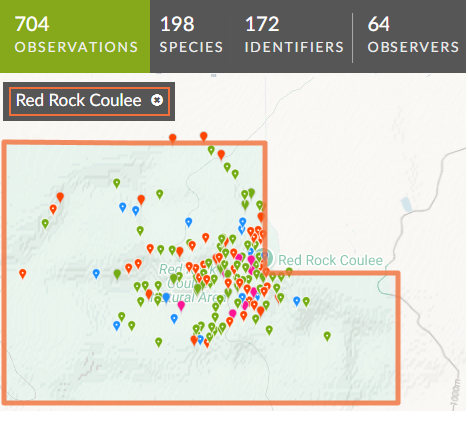
Webpage links is the first of a two-part change. The second part is the creation of an iNaturalist project for the Protected Areas. David F. and Tony B. are busily working on this and expect to have it ready for the next newsletter.
New observations within an area will show up in both places. As well, SAPAA can also run bio-blitzes for specific topics (such as the white spruce project described above).
As you visit Alberta’s Protected Areas be sure to submit both new iNaturalist observations and of course a Site Inspection Form.
SAPAA Site Inspection Training
Training was delivered in April on the new and improved Site Inspection form. Okay, slightly new and improved, most questions remain unchanged from 2024. Additional sessions can be arranged for individuals or groups by emailing president@sapaastewards.com. You can also download the slide deck and script (sorry, no video at this point).

Spring in the Sandhills
Springtime and early summer are especially good times to visit any of the sandhill Natural Areas north of Edmonton, such as Northwest of Bruderheim, Opal, Nestow and Bridge Lakes. The well-drained soils warm up quickly, allowing early-flowering species to bloom, and to attract their pollinating insects.
Other insects emerge too, and tiger beetles are characteristic of sandy soils and shores (see Kallum McDonald’s macro shots of two tiger beetle species in Northwest of Bruderheim Natural Area). Tiger beetles (family Cicindelidae) are known for their predatory habits; they have large eyes and long legs that enable them to run fast in pursuit of prey. Their bodies are often white- or cream-blotched, facilitating camouflage.
A search on iNaturalist for a given Natural Area will indicate what you can expect to find there. Consider making your own contributions to iNaturalist if you visit, and of course submitting a Site Inspection report to SAPAA.
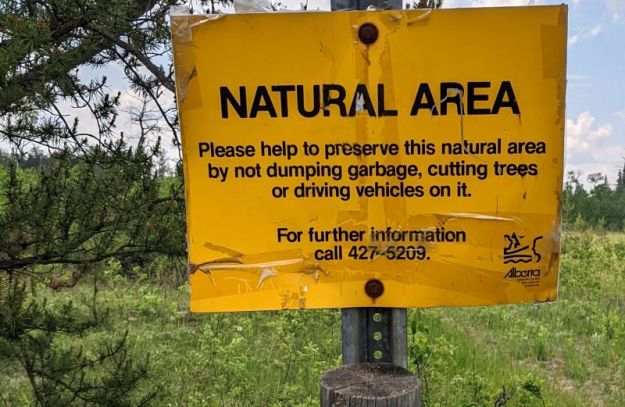
Boundary sign on Opal NA, 2022-06-16, M. Parseyan. 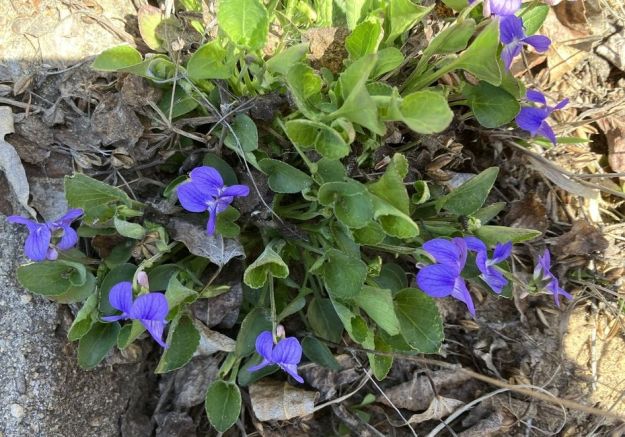
Early blue violet (Viola adunca) in flower at Northwest of Bruderheim Natural Area., 2025-05-01, H. Taube 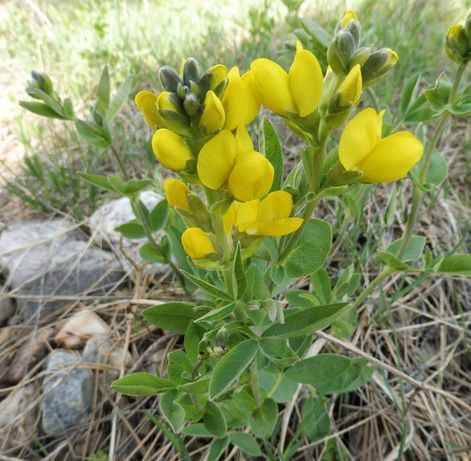
Golden bean (Thermospis rhombifolia) coming into flower at Northwest of Bruderheim Natural Area, 2025-05-10,. K. McDonald 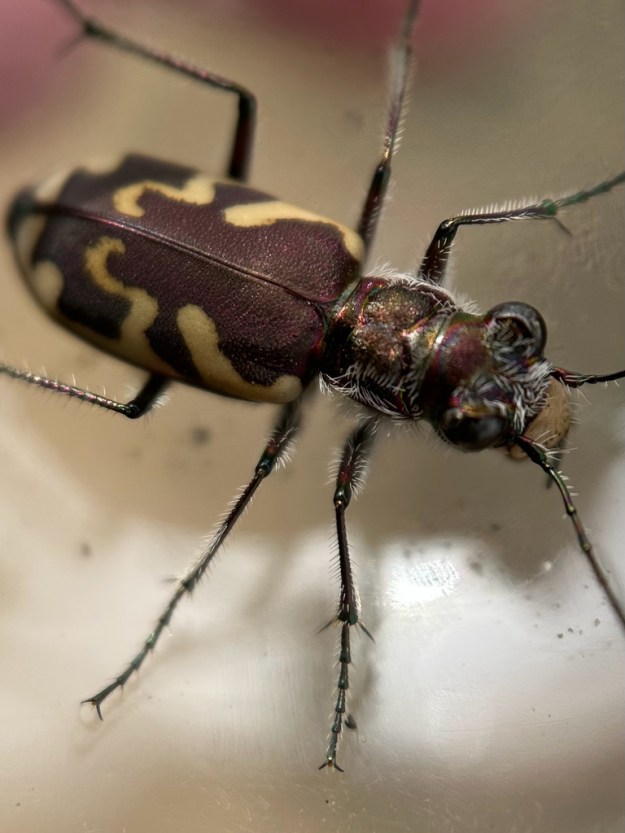
Adroit tigger beetle (Cicindela lengi ssp. versuta) at Northwest of Bruderheim Natural Area, 2025-05-10,. Kallum McDonald 
sandy tiger beetle (Cicindela limbata) at Northwest of Bruderheim Natural Area., 2025-05-10, K. Mcdonald 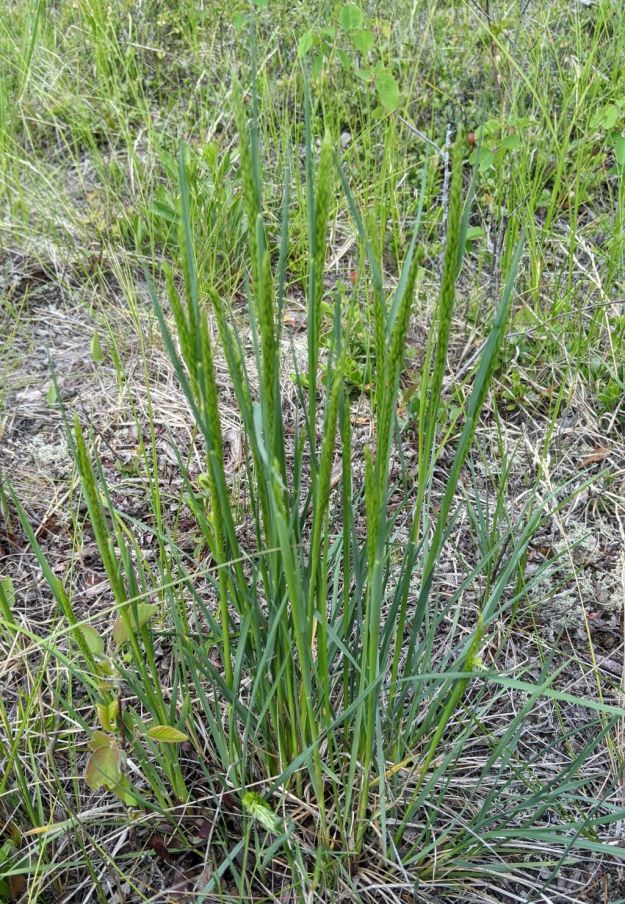
June grass (Koeleria macrantha) in Opal Natural Area. 2022-06-16. M.Parseyan 
Northern ricegrass *Piptatheropsis pungens) at Opal Natural Area.2022-06-16. M. Parseyan 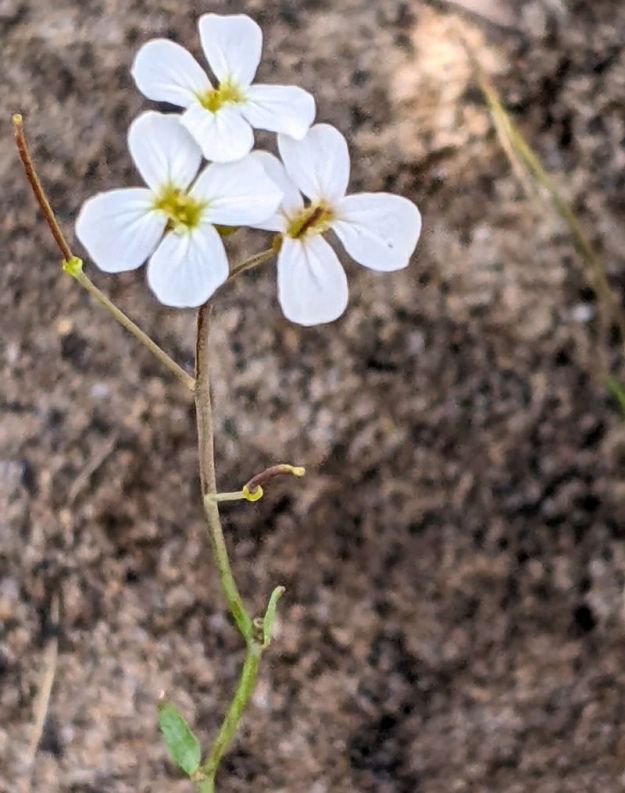
Upper portion of Kamchatca rockcrews Arabis lyrata ssp. kamchatica) on sandy soil at Opal Natural Area. 2022-06-16, M. Parseyan. 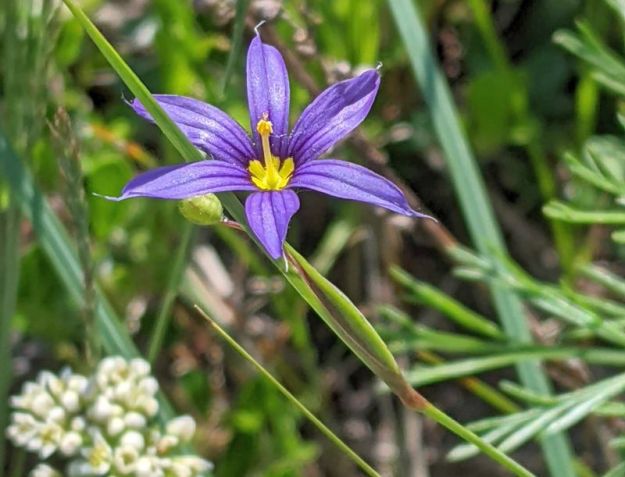
Blue-eyed grass and bastard toadflax, Opal NA, 2022-06-16, M. Parseyan. 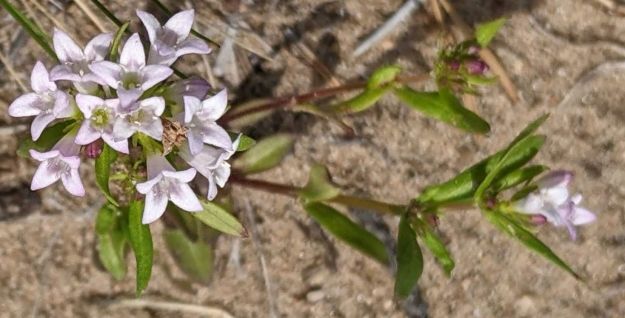
long-leaved bluets (Houstonia longifolia) on sandy soil in Opal Natural Area; 2022-06-16, M. Parseyan 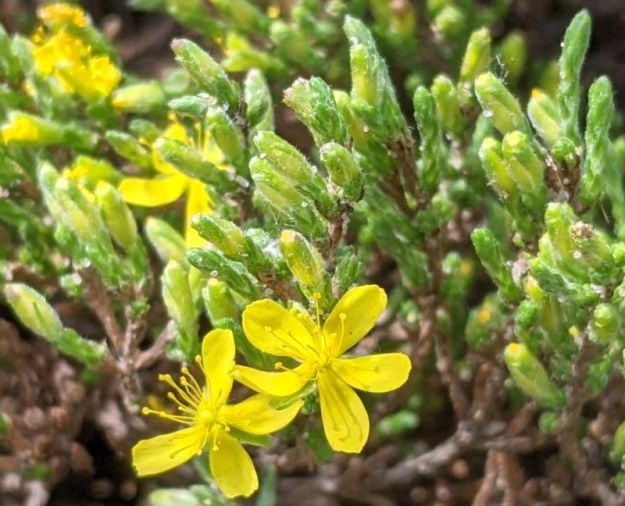
Sand heather, Opal NA, 2022-06-16, M. Parseyan.
Botany Alberta in the Beaver Hills Biosphere, June 13-15, 2025
SAPAA members and non-members are invited to join in this three-day event hosted by the Alberta Native Plant Council and based out of the Strathcona Science Centre east of Edmonton. Open the link June 13-15, 2025: Botany Alberta in the Beaver Hills Biosphere to find more information and the registration form (participation is free). It is being billed as a “weekend of guided field trips, plant exploration and connection with fellow naturalists.”
Membership
Annual membership renewal remains at $15 per individual, family or group steward and includes a $5 insurance fee the society pays to Nature Alberta.
E-transfers are preferred (treasurer@sapaastewards.com) but if payment is made by cheque, it should be made payable to Stewards of Alberta’s Protected Areas Association (in full, the bank is persnickety) to c/o Patsy Cotterill, Membership Secretary, 7401 156 Street NW, Edmonton, AB T5R 1X4.
The membership year runs from October 1 to September 30. If you have changes to make to your information or wish to provide additional information, please provide updates by completing a Membership Form.
Thank you.
Editorial Team, Links and Resources at a Glance:
Editorial team: Patsy Cotterill, Frank Potter, Hubert Taube.
 SAPAA
SAPAA 