This edition outlines SAPAA updates including ongoing projects like the iNaturalist initiative, community outreach events, and the importance of site inspections for Alberta’s natural areas. Upcoming events are listed. This Newsletter can be downloaded in pdf.
- Editorial – SAPAA, A New Season
- The Sand Dune Natural Areas
- 2026 – Site Inspection Status
- 2025 Minister’s Report
- Student Projects (and Volunteer)
- Alberta Wilderness Association Plateau Mountain
- Plan for Parks
- Editorial Team, Links and Resources at a Glance:
Editorial – SAPAA, A New Season
by Hubert Taube, Past-President SAPAA
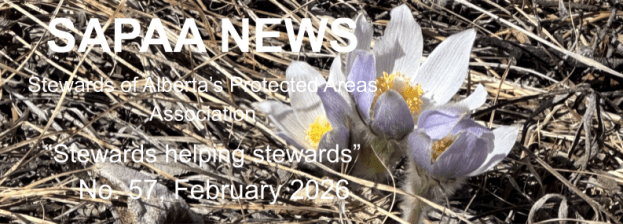
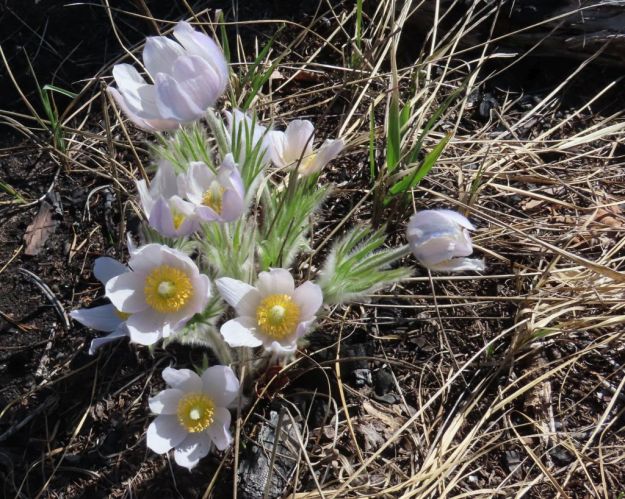
The sandy soils Northeast of Edmonton are some of the first Natural Areas in the capital region that show signs of spring. A prairie crocus emerges early from this delicate and fragile ecosystem. Botanist Patsy Cotterill has shared her experience (and photos) of the sandhills in this edition’s feature article.
Reporting on the AGM
Our most recent AGM was remotely held on November 29 last year. The principal business was election of a new Board. Congratulations, and thank you to these individuals who carry on with SAPAA’s work. To learn more about them, their biographies are available on the Contact Us page.
- President and Webmaster: Frank Potter,
- Past-President: Hubert Taube,
- Secretary: Patsy Cotterill,
- Treasurer: Myrna Peters,
- General Directors: Tony Blake, David Fielder, Madeline Mayes and Tyler Norris.
The Future of SAPAA
Discussion of future directions of SAPAA was a central part of the AGM. The cost for a full fledged version of a SAPAA 2.0 plan was estimated at $25,000 to 75,000 per year. Given the cost, the members agreed to a toned-down version of SAPAA 2.0. The site inspection process will continue but with responsibilities and costs carried by the individual. More details are available via Newsletter #56 as well as the 2025 President’s AGM Report.
iNaturalist Project
The iNaturalist project initiated last spring is nearing completion. All of the WAERNAHR
Protected Areas are now delineated on the iNat database. All observations recorded by iNat users will automatically be available as distribution records and should serve to document he biodiversity of our Protected Areas.
The links to the iNaturalist observation records have also been incorporated into the site descriptions on our website and are currently being reviewed in an overall update of the site. We encourage any natural areas visitors to record their observations on iNaturalist as well as submitting a Site Inspection Report to SAPAA.
Community Outreach
The following sessions are planned. All are free and open to SAPAA members save for the MLA session.
- SIR Dragon, March 19. A review of the Site Inspection Reporting application by individuals with deep knowledge of IT, environmental issues, and conducting inspections.
- Rural MLA Information Session, March 20. A chance for rural MLAs to learn about the Natural Areas in their backyard, their value and how they are being abused.
- Mt. Butte Field Trip, May 9.
- Fall Mini-Conference, September 12.
Field Season Around the Corner!
As I’m writing this, days are getting longer and warmer; so, the season for field trips is around the corner. Our first group trip is scheduled for May 9, to Mt Butte in central Alberta, a repeat of a very memorable trip we had in 2015. Further trips are in the planning stages.
Ideally, we would want to visit areas that are on the “First Ascent” list. If you want to suggest and possibly lead a trip to any site (First Ascent or otherwise), please email the President (Frank).
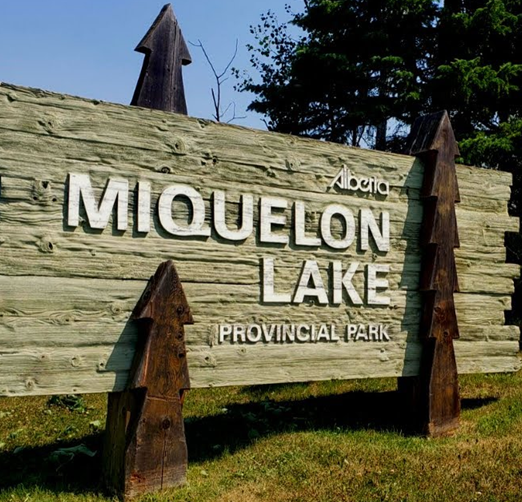
Further down the line we have begun to organize a “fall mini conference”. So far, we envisage indoor presentations and local nature explorations. Keep the date in mind: it will be at the Miquelon Lake Visitor Centre on Saturday, September 12.
The Sand Dune Natural Areas
by Patsy Cotterill, Secretary
The retreating glaciers and strong winds have created an arc of sand dunes stretching from the Saskatchewan border to Grand Prairie. While this natural feature is perhaps more associated with the great deserts of the world (Sahara, Gobi), Canada too has active dunes and the largest of these are the Athabasca Sand Dunes. This feature article explores these unique areas of Central Alberta.
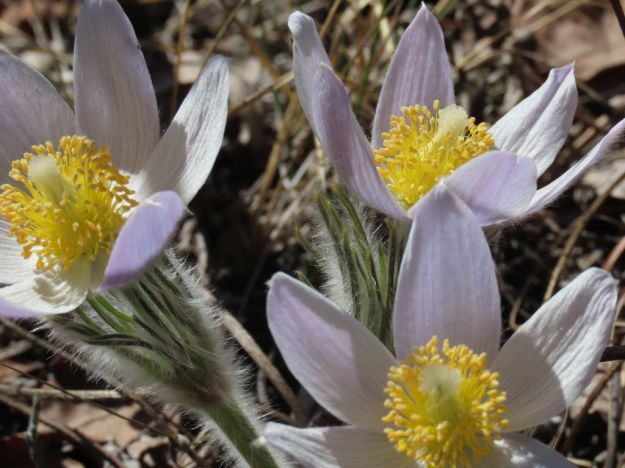
Read: The Sand Dune Natural Areas.
2026 – Site Inspection Status
Collecting information about the state of a Natural Area is a key activity of SAPAA. Historically, we were the eyes and ears of the government through their volunteer program. We continue to provide this role and communicate the information to our members, the government, and the public.
The following are changes to the Site Inspection Report (SIR) Process in 2026:
- No Changes to the full Site Inspection Report. Other than changing the dates, the SIR form is unchanged from 2025. It is still based on Google Form technology.
- Dropping the Simple SIR. Most members preferred the full form.
- Beta Testing SIR SAPAA. Select SAPAA Members will be invited to test an online application. To learn more about this, attend the SIR Dragon – March 19, 2026 – 1200 pm session. As well as training sessions.
2025 Minister’s Report
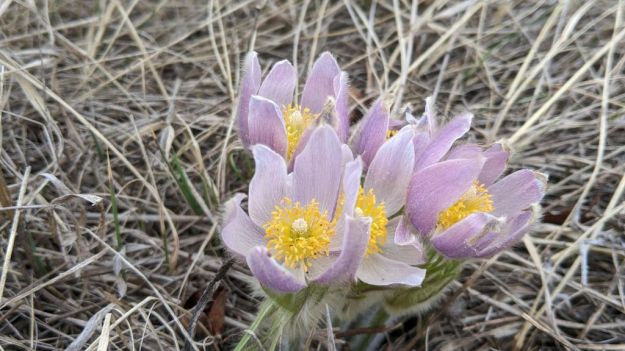
A student project is involved helping to write SAPAA’s 2025 Minister’s Report. Amongst other changes, it will include analysis from iNaturalist records. Stay tuned for a briefing and update!
Student Projects (and Volunteer)
SAPAA is currently running (or has completed) the following student projects.
- Rural MLA Engagement, Status: Ongoing. The constituents of Rural MLAs are a potential beneficiary of improved monitoring of protected areas. What are the value propositions for both audiences and how best to enlist their assistance in support of SAPAA?
- SIR Web and Phone Application, Status: Ongoing. Replace the Google Form technology with an online database and web application. Implement an Android and iOS version as time and capacity permit.
- 2026 Minister’s Report, Status: Ongoing. SAPAA will provide to the responsible provincial Minister(s) a report on the state of Alberta’s protected areas.
- Nearby Resident Communication Kit, Status: Completed. How to communicate with nearby residents to encourage them to report on the site.
- Deriving a Historical Naturalness Score using AI, Status: Ongoing. Evaluate how AI can estimate the naturalness score for historical SIRs.
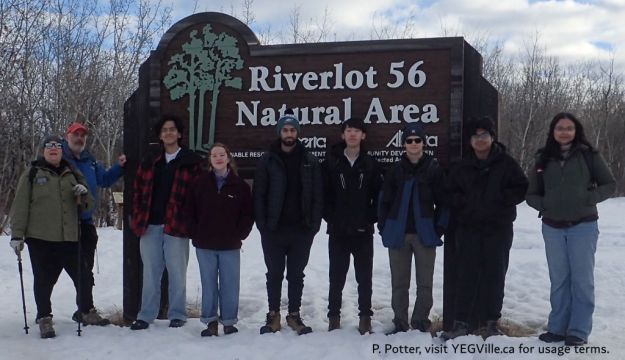
Taking students out into a Natural Area is a great way for them to understand what we do and how it is done. On 2026-01-31, Riverlot 56 was visited again. Thank you to Myrna Peters who assisted with the trip.
Alberta Wilderness Association Plateau Mountain
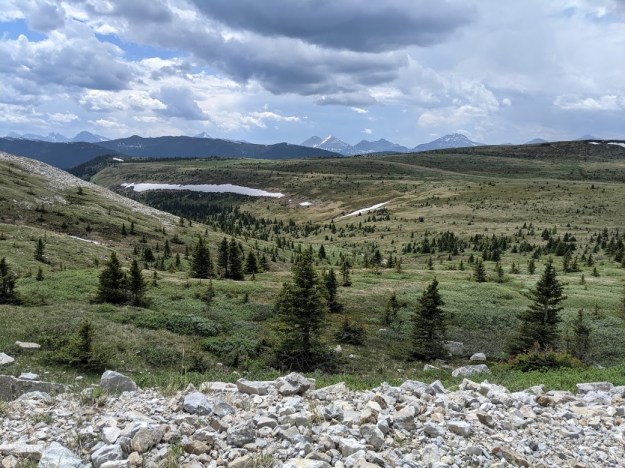
The Alberta Wilderness Association (AWA) is the designated government Steward for Plateau Mountain ER. In a previous newsletter, SAPAA Newsletter No. 56, November 2025, we featured their visit to Beehive Natural Area. Thank you AWA for your ongoing support and reports! Now see Plateau Mtn ER, Adventures for Wilderness program, AWA.
Plan for Parks
Patsy Cotterill has taken a deep dive into the recently released provincial Plan for Parks. Spoiler alert: more high level platitudes, accent on development, a paucity of details. Still, it beats a proposal to sell them off! Plan for Parks – SAPAA’s Thoughts
Editorial Team, Links and Resources at a Glance:
Editorial team: Patsy Cotterill, Frank Potter, Hubert Taube.
- List of Alberta’s Protected Areas.
- Connect & Read.
- Online Steward Reporting form.
- New and Renewal of SAPAA Membership.
- SAPAA’s FaceBook Group.
- Land Reference Manual | Alberta Parks.
- This Newsletter can be downloaded in pdf.
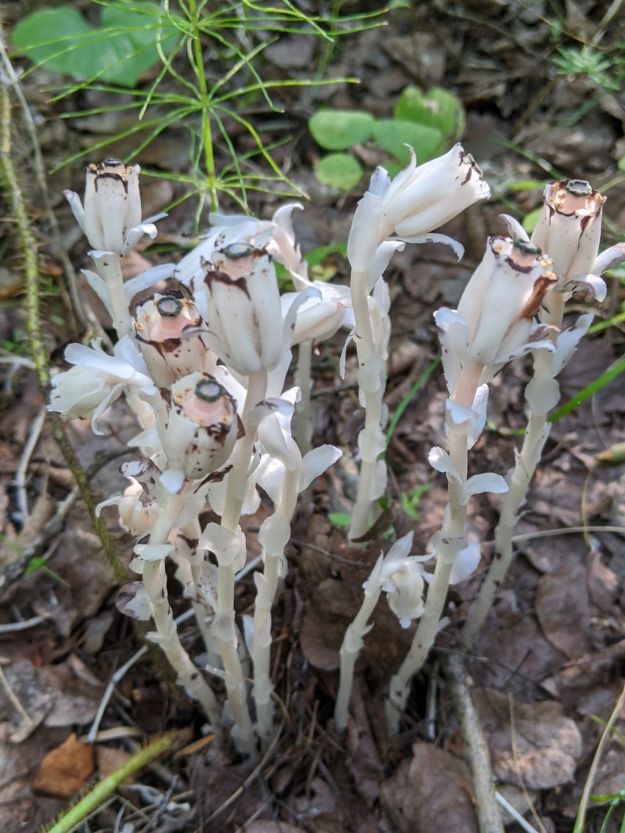
Ghost pipe, formerly known as Indian pipe (Monotropa uniflora), is a herb that is found in the aspen woods on uplands beyond the shores of Miquelon Lake. It is an unusual plant in that it lacks chlorophyll and so is completely dependent on fungi in the soil for its nutrition, the fungi in turn getting their carbohydrates through their mycorrhizal connections to tree roots.
The technical term for this kind of nutrition is mycoheterotrophy, meaning “fungus-feeding different from autotrophy or photosynthesis.” Ghost pipe is considered a parasite, as it is not clear that it gives anything back in return to the fungus or tree!
 SAPAA
SAPAA 