SAPAA is organizing a field trip to Open Creek Natural Area on June 15, 2026. Located SW of Edmonton, pre-registration is required. Wear rubber boots and bring bug juice! Tony B., Steward extraordinaire, is the trip leader.
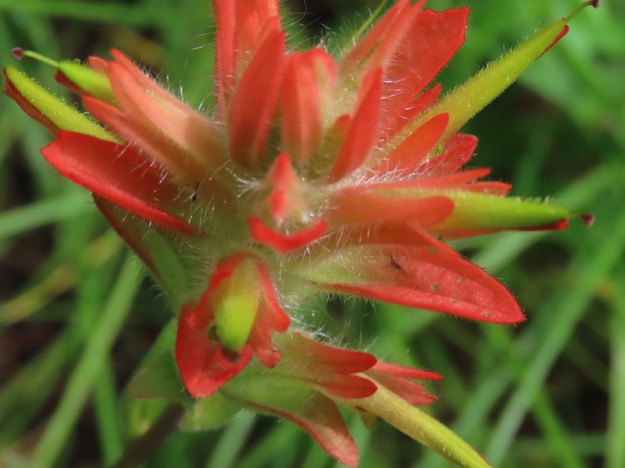
Part of the Canadian psyche is the North which includes the endless bogs. A small taste of this environment is possible in the Open Creek Natural Area. Described as: “Vegetation consists mainly of tamarack-black spruce patterned muskeg with some upland poplar and pine forest. (Alberta Parks website, 2012).“
June 15 Field Trip – Bring Boots
While hardly a tourist destination, it is of considerable interest to those who love flora and fauna. The water creates life and vibrancy. Given that most of the surrounding land has been cultivated, the site is important to help recharge local aquifers.
Because of its wetness, attendees must be prepared for standing water and lots of mosquitoes. There are very few trails on the site so be prepared to visit a relatively pristine NA. As time and interest permit, we may visit Welch Creek Natural Area to the south. Both of these sites were last visited in the summer of 2023. This trip is being led by Tony B. who has visited many dozens of sites over the past three decades.
Please submit a Site Inspection Report and/or make iNaturalist.ca observations while on the site.
Read the SAPAA Waiver and Assumption of Risk Before Signing Up.


Where is Open Creek and Where to Meet
Open Creek Natural Area is Southwest of Edmonton and about 25 KM West of Rimbey Alberta. The site is North of HWY 53 on RR 51. However, we will meet up in Rimbey per the following details. Please note there is no public transit in the area and travel by car is necessary. Access roads may be muddy but generally driveable.
Contingencies and Alternatives
Organizers will cancel the trip in case of inclement weather (heavy rain, etc.).
All the Fine Details
Further details will be sent to all of those who have registered for the trip, details as follows:
- Where: Open Creek Natural Area, Southwest of Edmonton. Welch Creek Natural Area as time permits.
- Staging Area: We will meet in Rimbey at 10h; the address will be emailed to all registrants.
- When: June 15, 2026. An all-day trip, we will meet at 10 a.m and finish mid-PM.
- Who: Everyone interested in this Central Alberta Natural Area, pre-registration is a must.
- Notes and Cautions:
- Bring RUBBER BOOTS and bug repellent.
- The west half of the property appears to be squishy fens alternating with tamarack “terraces”.
- Expect to find interesting/rare plants.
- Don’t expect easy walking; almost no one goes to this site (yeah!).
- As of writing only 4 iNaturalist observations.
Tail Gate Script
- Welcome to the May 9th, Northwest of Bruderheim field trip
- This safety briefing will take 5-minutes and then Hubert will provide some context to the site.
- First, introduce yourself and indicated how many times have you visited this site?
- 1. Why Are We Here
- Trip Leader: Frank Potter; First Aid: Myrna Peters
- Objectives of the field trip
- To collect information about the state of the site, biophysical information via iNaturalist, and have a great walk!
- We will start in the East parcel and then walk/drive to the West parcel.
- Field Test the SIR-SAPAA application in low connectivity conditions.
- Please log into SIR-SAPAA in advance on your phone as system access cannot be trouble-shooted in the field.
- Except for the low lying areas, the site is very dry and sandy.
- Participants Role(s)
- Frank: SIR-SAPAA expert
- Patsy or Hubert: iNaturalist expert
- Myrna, Patsy or Hubert: botanical/animal experts
- Nearest Hospital: Fort Saskatchewan Community Hospital Emergency Department.
- Address: 9401 86 Ave, Fort Saskatchewan, AB T8L 0C6
- Distance from NW Bruderheim Natural Area: ~20–25 minutes by vehicle (depending on access point)
- Phone: 780‑998‑2256
- Backup / Secondary Emergency Options: Strathcona Community Hospital – Emergency Room
- 9000 Emerald Dr, Sherwood Park, AB T8H 0Y5; Phone: 780‑449‑5380
- 2. Key Hazards for Visit
- Terrain hazards — uneven ground, sandy soil, steep slopes, gouged ATV tracks
- Vegetation hazards — stinging nettle, thorny shrubs, poison ivy.
- Wildlife — moose, coyotes, nesting birds; what to do if encountered.
- Insects – Ticks, mosquitoes, individuals with allergies.
- Plants – Nettles, poison ivy, rose bushes, etc.
- Weather — heat, cold, storms, windfall risk.
- Water hazards — fast‑moving creeks, unstable banks, ice conditions (seasonal).
- Human‑made hazards — fences, old structures, debris, roads.
- 3. Required Gear and Personal Preparedness
- Footwear appropriate for uneven terrain.
- Water, snacks, sun protection, insect repellent.
- Clothing layers for changing weather.
- Any required tools or equipment and safe use expectations.
- First aid kits (leader‑carried; participants may carry personal kits).
- 4. Movement and Behaviour Expectations
- Group movement: go with a friend or solo
- Maintain a safe distance from wildlife.
- Respect sensitive habitats and avoid trampling vegetation.
- Follow Leave No Trace principles.
- 5. Communication Plan
- Designated Off Site Contact: Margreet Potter, [PHONE]
- Check‑in times and regroup points: meet up periodically to share experiences and count noses
- Radios
- Cell coverage expectations and backup communication methods.
- Shout if injured or lost
- 6. Emergency Procedures
- First aid lead and location of first aid supplies.
- What to do if someone is injured:
- Stop the group
- Notify the leader
- Provide first aid within training
- Do not move the injured person unless necessary
- Evacuation route and meeting point.
- When and how 911 will be called.
- If separated: stay put, make noise, use whistle.
- Wildlife Safety Protocols
- Moose and ungulate safety (give wide berth, never approach).
- Nesting birds and sensitive species — maintain distance and avoid disturbance.
- 9. Final Checks Before Departure
- Confirm everyone has water, gear, and appropriate clothing.
- Review route, duration, and expected return time.
- Reconfirm communication and emergency plan.
- Ensure all participants understand expectations and can opt out if unprepared.
 SAPAA
SAPAA 